Quranic Arabic Corpus, 114 surahs, 6,236 verses
The Quran in one picture
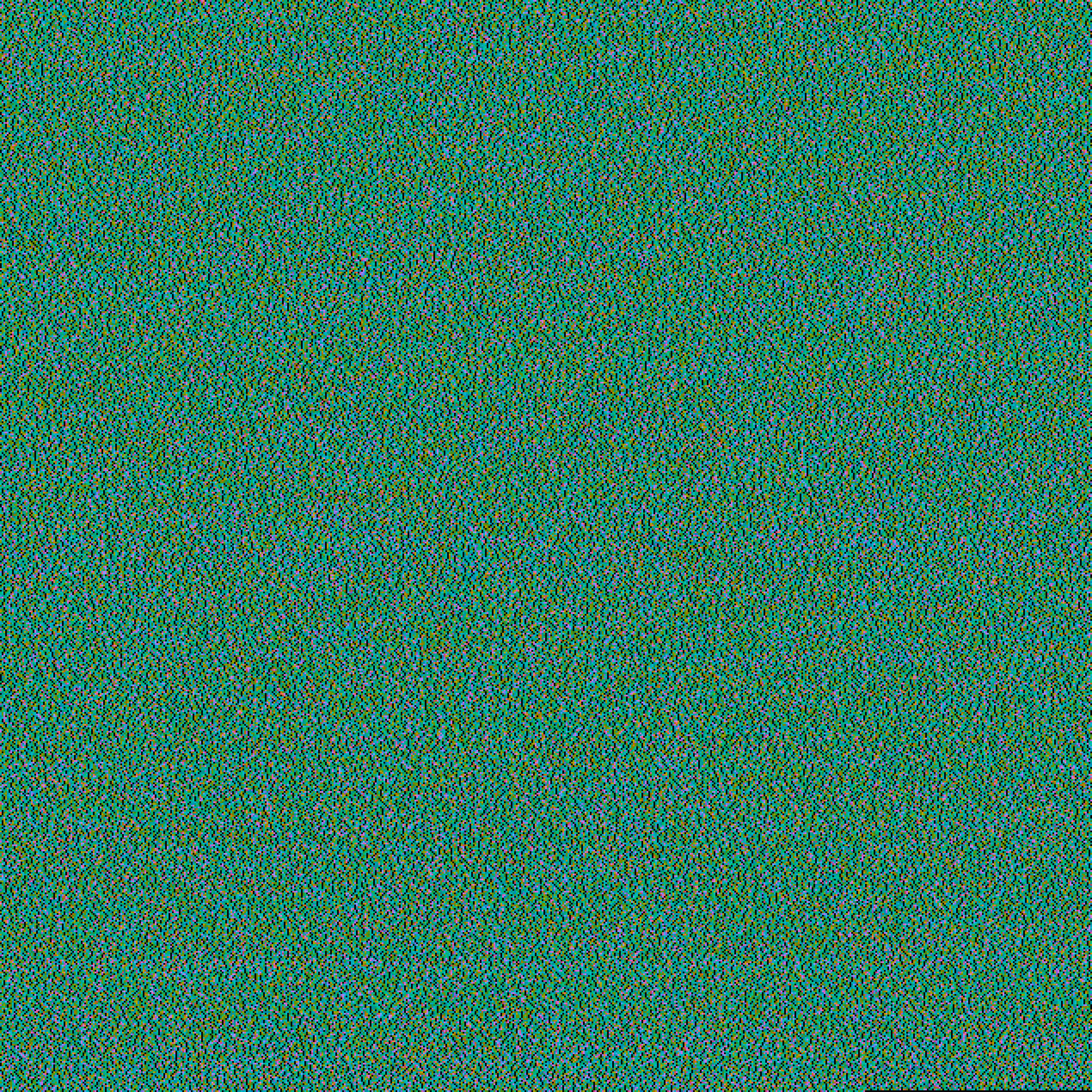
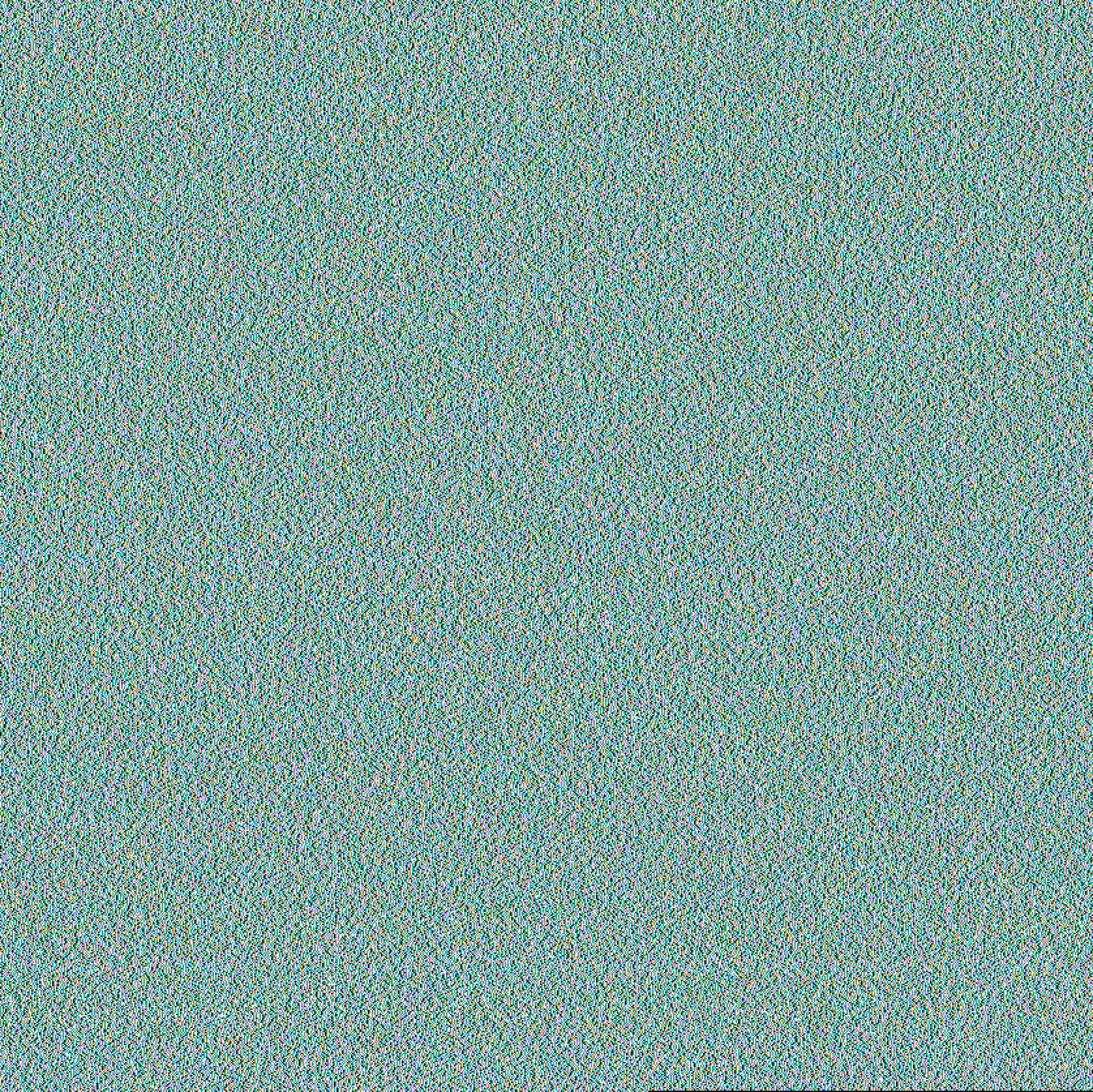
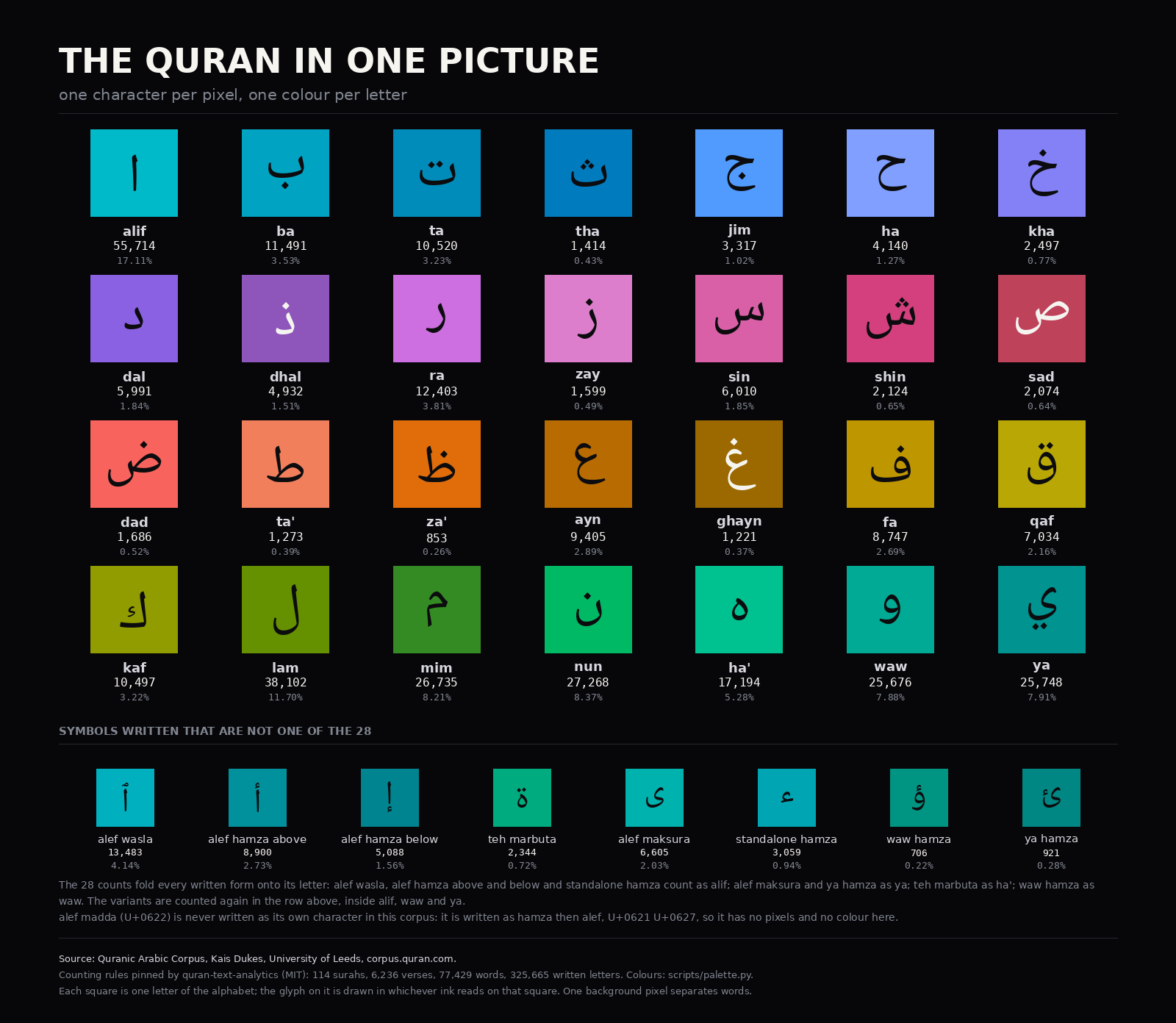
325,665 written letters, one character per pixel, filled left to right and row by row. Every letter of the 28 letter alphabet has its own colour. The book becomes a single image that shows its own shape: long Meccan surges, the dense legal middle, the short late surahs.
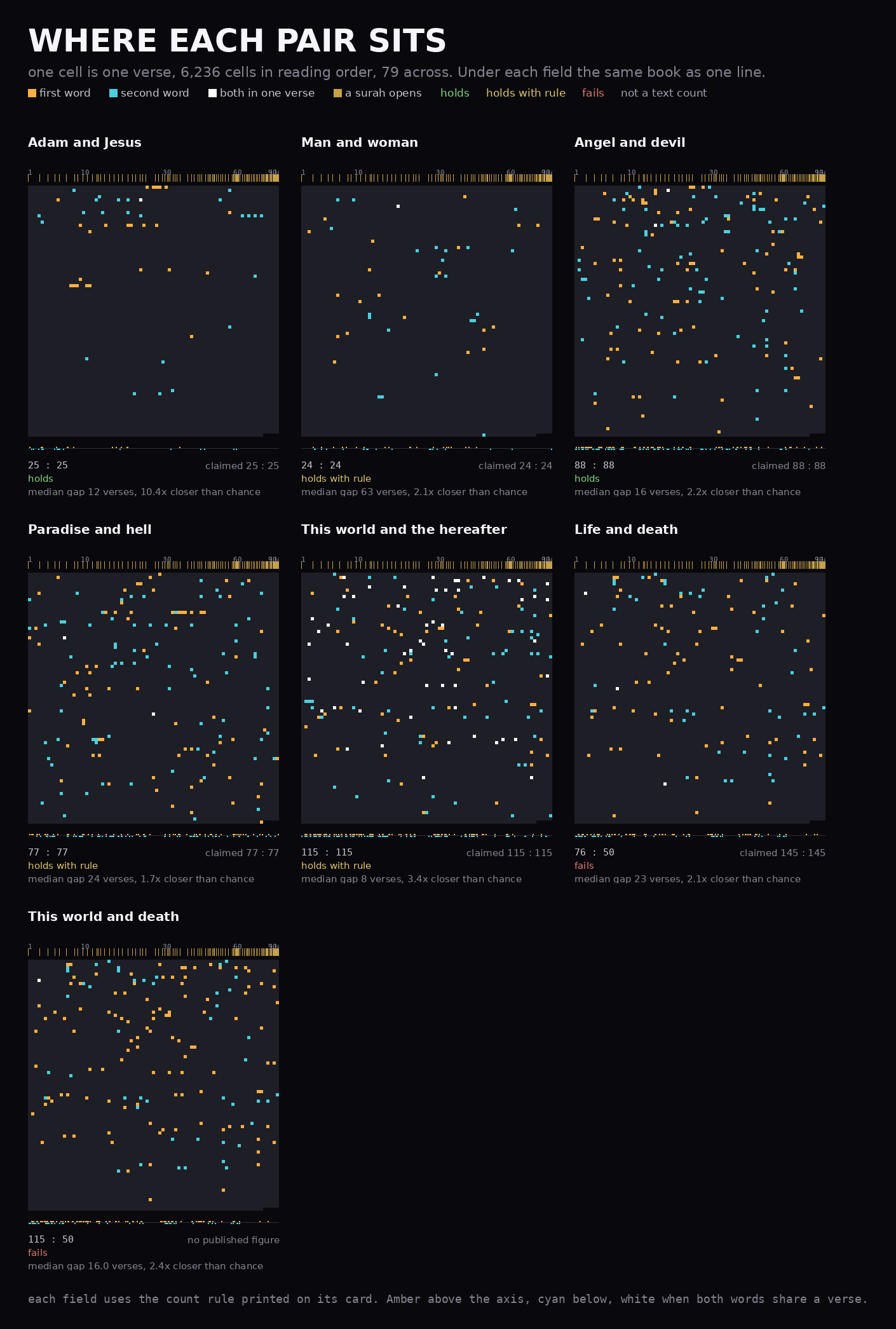
Where each claimed pair actually sits
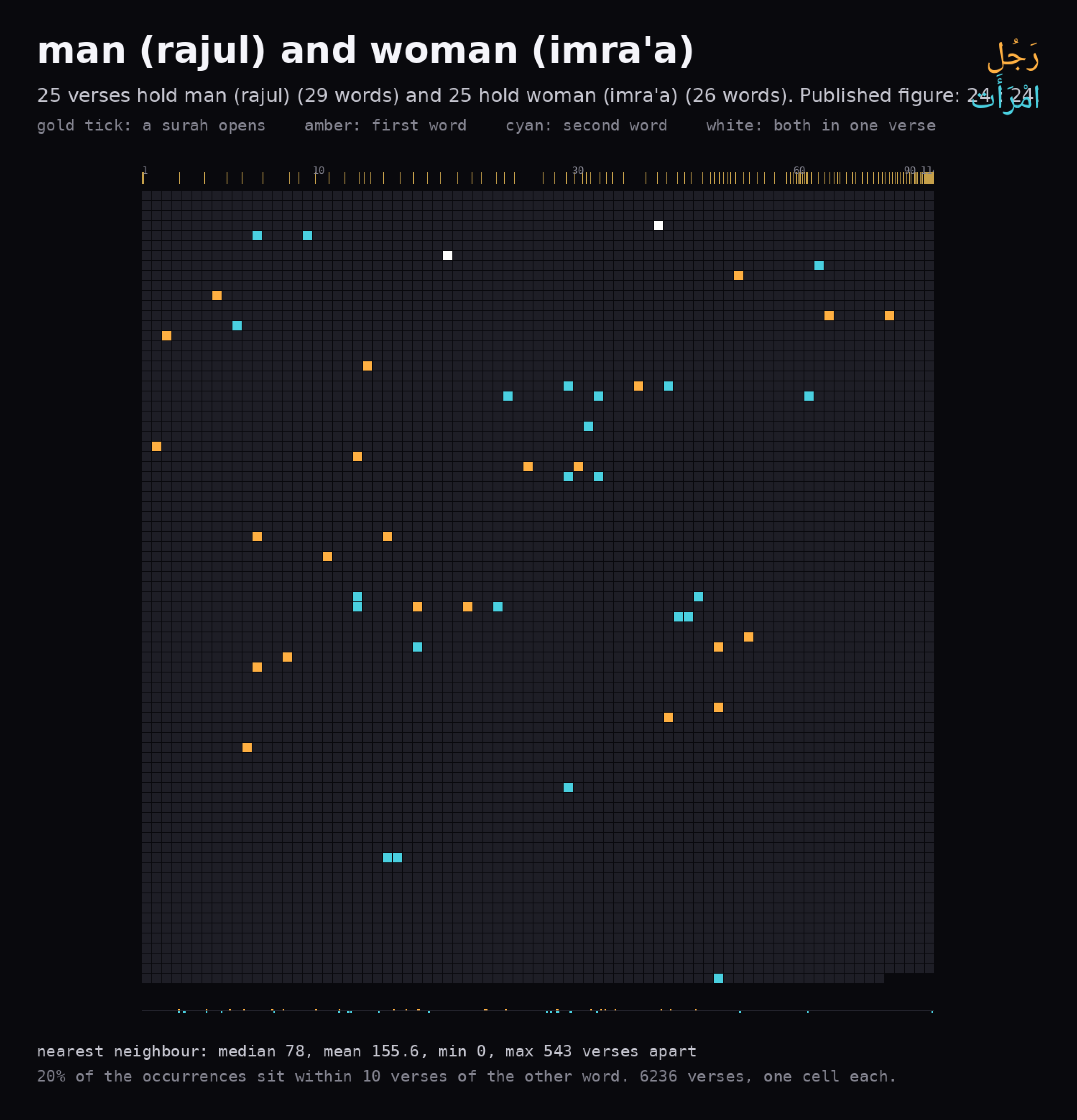
The claims that circulate are of the form "this word and that word occur the same number of times". Each one can be checked, and each check needs a counting rule said out loud. Below, one cell is one verse: all 6,236 of them in reading order, amber for the first word of the pair and cyan for the second, white where both fall in the same verse. Under each field the same book is drawn as a single line.
How to read it
One pixel is one written character: a consonant, or one of the forms the mushaf writes as a character of its own, such as alef wasla, teh marbuta or a hamza. Vowel marks are not counted in the hero picture; they are what the ink picture adds. One background pixel separates words, so the words stay apart without any glyphs.
One colour is one letter. Letters keep their colour across the whole book, so a reader can follow a letter through the text the way a musician follows an instrument in a score. The legend gives the colour, the glyph and the count of every letter.

Where the data comes from
The text and its morphology are the Quranic Arabic Corpus, Kais Dukes,
University of Leeds, at corpus.quran.com. The counting rules are the ones
pinned by quran-text-analytics (MIT): 114 surahs, 6,236 verses, 77,429 words,
325,665 written letters. A written letter is a character of Unicode category
Lo, so the consonantal skeleton plus the forms written as characters, but
not the vowel marks. python3 scripts/quran_corpus.py re-checks
all four totals against the corpus.
Surah names and the Meccan or Medinan place come with the corpus metadata. A pixel is not a letter in any font: the picture is a bitmap of the text, not a photograph of a page, so nothing here depends on how a machine renders Arabic.